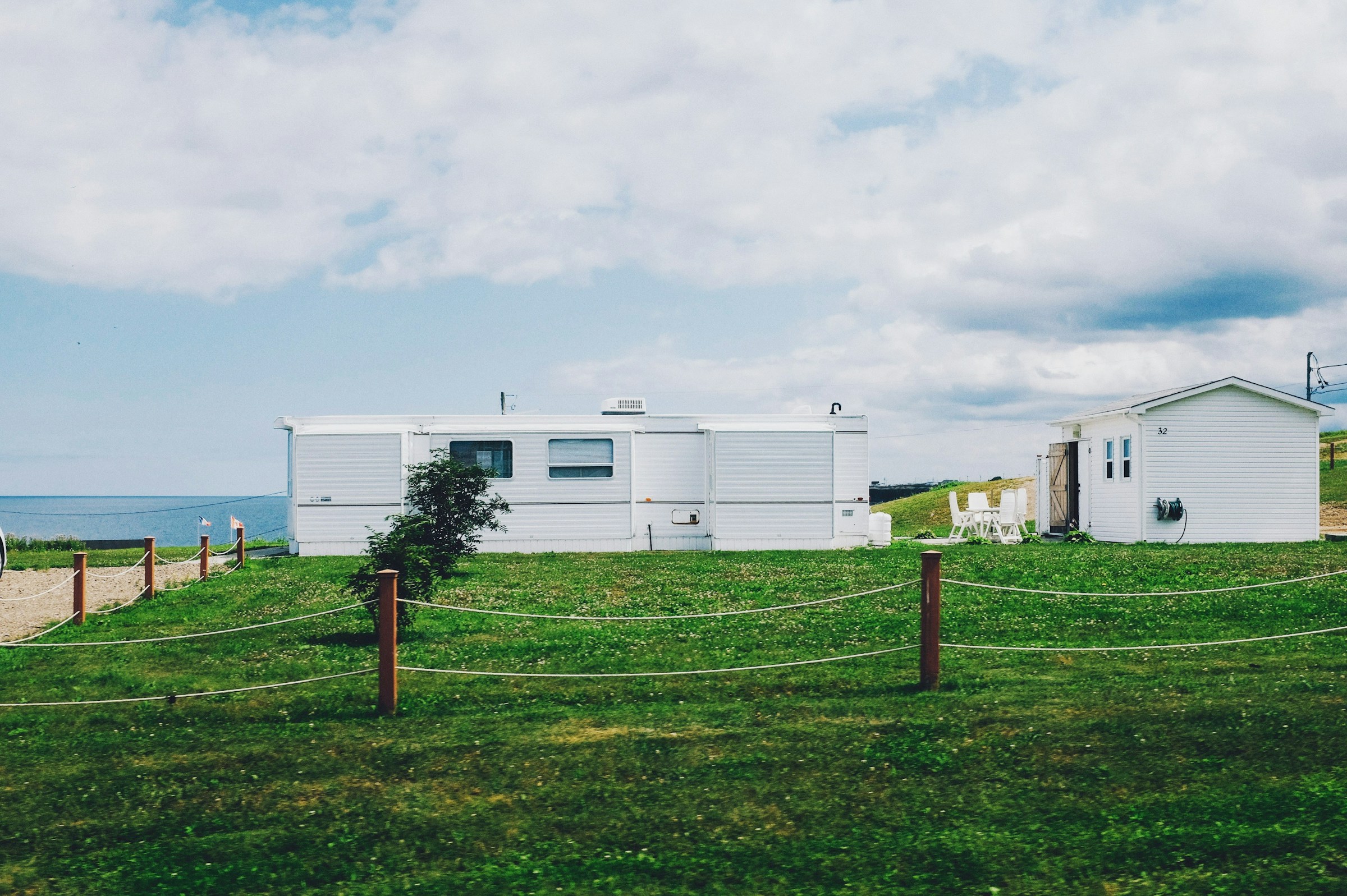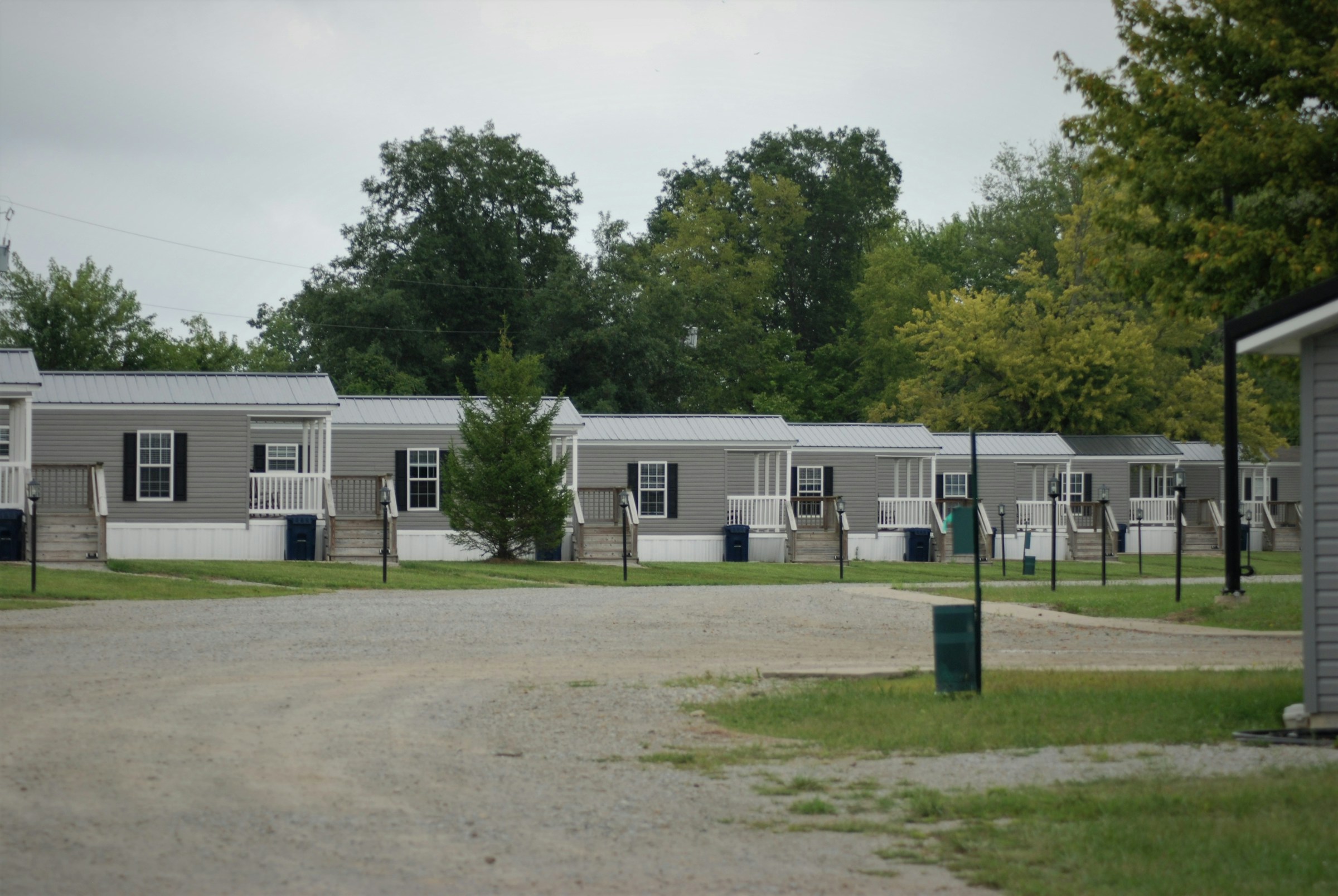

The three most common approaches when it comes to mobile home investing include owning a mobile home park, renting individual mobile homes, and buying homes to renovate and resell for a profit. This type of asset comes with clear advantages, such as lower entry costs and strong demand for affordable housing. At the same time, you should be aware of several potential drawbacks, such as financing challenges, tenant risks and turnover, and negative public perception.
MHP Sales Manager helps park owners and operators sell or lease park-owned homes efficiently and with zero risks through our pay-per-move-in model. We specialize in marketing and sales solutions tailored for the mobile home industry and have prepared a complete introductory guide about investing in this type of asset.
Mobile Home Investing Strategies
Here’s a list of the options new investors commonly evaluate:
1. Mobile Home Park Ownership
Mobile home park ownership focuses on owning the land and then leasing individual lots along with essential utilities like water, gas, and electricity. Tenants can bring their own mobile homes, or you can lease the land along with a park-owned home.
➡️ How It Works
- Research mobile home parks in your area.
- Choose a financing method that aligns with your investment goals and capital.
- Submit an offer and negotiate terms that support long-term profitability.
- Develop a clear plan for repairs, upgrades, and ongoing park management.
- Implement a marketing strategy to attract and retain residents.
✅ Benefits
- The rising demand for affordable housing supports long-term occupancy.
- Often discarded for their reputation, which generally results in a less competitive market.
- Historically known for delivering stable and predictable returns.
⚠️ Risks
- Zoning regulations and requirements can be complex.
- Managing tenants and daily operations requires strong systems and oversight.
- Attracting new residents may be difficult when competing parks are nearby.
- Tenant quality and turnover can impact cash flow.
- Ongoing maintenance is required to preserve value and appeal.
🏆 Pro Tips
- Look for communities priced below the current market value.
- Focus on parks in desirable areas with strong employment opportunities and safety.
- Study local zoning and regulations to confirm if the investment is feasible.
From our partner, Rick Bergman, an experienced MHP investor:
- Well-maintained and attractive communities increase the value of individual homes.
- When it comes to leasing park-owned homes, make sure to understand the local market so pricing supports affordable down payments and monthly costs compared to nearby apartments.
Discover how we can help you generate mobile home leads with zero risk through our pay-per-move-in model. Our solutions include automated lead qualification, industry-leading AI agents working 24/7, and an expert team.
2. Renting Mobile Homes
Renting mobile homes allows you to generate a consistent rental income while leveraging the infrastructure and management of an existing mobile home park. This approach can provide steady cash flow and help diversify your real estate investments.
➡️ How It Works
- Buy a mobile home located in a park.
- Repair and upgrade the home as needed.
- Advertise and rent the home to qualified tenants.
- Pay a portion of the rent to the park owner for the lot.
✅ Benefits
- Low financial entry point compared to traditional real estate.
- Accessible strategy for beginners to enter the real estate market.
- Effective way for seasoned investors to diversify their portfolio.
⚠️ Risks
- Lot rent can be expensive, affecting profitability.
- Dealing with problematic tenants can be challenging.
- If you do not own the land, your investment may lose value over time.
- No control over rent prices or park rules.
🏆 Pro Tips
- Verify tenant information carefully before leasing or renting the home to avoid potential issues.
- Set a competitive and affordable rental price by researching similar homes and local apartments in the area.
3. Mobile Home Flipping
Buy and flip means purchasing a mobile home at a low price, improving its condition, and reselling it for a higher value. With the right plan, you can turn affordable homes into profitable opportunities while serving buyers looking for quality and affordable housing. This is probably the most common option when it comes to mobile home investing for beginners.
➡️ How It Works
- Study local demand so you understand what buyers want and what they will pay.
- Inspect the home carefully to identify potential repairs and upgrades.
- Review local and state regulations and laws to confirm you can legally sell the home.
- Look into financing options that fit your budget and timeline.
- Renovate strategically by updating kitchens, bathrooms, flooring, and paint.
- Advertise the property.
✅ Benefits
- Entry costs are often lower than site-built housing.
- Homes can be moved or prepared quickly, helping you get started with the process in no time.
⚠️ Risks
- Renovation costs can exceed initial estimates if inspections and research are rushed.
- Ignoring market trends can bring undesired results in the selling phase.
- Projects may take more time than expected. Be prepared for delays and plan accordingly.
🏆 Pro Tips
- Begin with a smaller project before committing to larger renovations.
- Learn from experienced investors by connecting with local groups and professionals.
- Stay organized by tracking your budget, repairs, and timeline closely.
Pros and Cons of Mobile Home Investing
Mobile home investing offers a unique mix of advantages and challenges.
✅ Pros
These benefits explain why many investors are drawn to mobile home investing.
- Lower Entry Costs – Mobile home investments typically require less capital than traditional real estate, making them more accessible if you are working with limited funds. According to the Manufactured Housing Institute (MHI), new manufactured homes represent less than 1/3 of the cost of site-built homes.
- Increasing Demand – Rising housing prices have pushed more people toward affordable living options, including retirees, working families, and renters looking for budget-friendly options. According to the MHI, over 22 million people live in manufactured homes in the US.
- Multiple Investment Strategies – You can choose from several approaches, including owning mobile home parks, renting individual mobile homes, or buying and reselling homes for profit, allowing for flexibility based on your experience and resources.
- Lower Maintenance Costs – Maintenance expenses can be lower than those of traditional homes or apartments. This is because mobile homes often have simpler designs that reduce repair costs, and in some business models, residents are usually responsible for maintaining their own homes, reducing maintenance costs even more.
- Lower Taxes and Insurance Costs – Mobile homes are frequently treated as personal property rather than real estate, which can result in lower property taxes. Insurance premiums are also commonly more affordable compared to conventional housing.
- Potential for High Cash Flow – Strong demand combined with stable rents can create reliable and attractive cash flow opportunities. This is especially true for mobile home park investments.
❌ Cons
These considerations highlight the potential downsides you should evaluate before investing in mobile homes.
- Depreciation – Mobile homes often lose value over time in a way similar to vehicles. However, when a home is located in a well-kept community, maintained properly, and improved with features such as patios, decks, and updated kitchens or bathrooms, it can retain a significant portion of its value.
- Financing Challenges – Some lenders remain cautious about mobile homes and mobile home parks as an asset class. While investor interest has expanded financing options, securing favorable terms can take longer and may require working with lenders who understand the unique structure of mobile home communities.
- Regulatory Restrictions – When it comes to park ownership, you must research local regulations carefully to ensure compliance, understand where mobile homes are allowed, and determine how many units can be placed on a property to confirm the investment meets your return expectations.
- Tenant Risks and Turnover – Tenant turnover and payment issues can be common in this asset class. Some residents may present management challenges, making thorough screening and consistent property management essential to reducing risk and protecting cash flow.
- Negative Public Perception – Despite growing demand, mobile homes still face stigma in some markets, which can limit buyer and renter pools and affect resale or leasing efforts.
- Natural Disasters – Mobile homes are generally less resilient than site-built housing, so earthquakes, hurricanes, and tornadoes can cause extensive damage. You should evaluate regional risks carefully before investing, especially if you are considering buying an entire park. For example, the Twin City Community in Florida was severely damaged due to two hurricanes.
Key Considerations
Before investing in mobile homes, you should evaluate several factors that directly influence risk, profitability, and long-term success.
Location
The success of a mobile home investment is strongly tied to where it is located. Location affects purchase prices, rental rates, and overall demand.
In the case of park owners or renters, parks near employment centers, schools, and essential services tend to attract more stable residents, while population size and growth matter because you need a reliable pool of potential tenants to replace turnover.
Short Term vs Long Term Investments
Different investment strategies serve different timelines and goals. For example, renting individual homes can produce steady cash flow, while flipping homes can deliver faster returns. However, mobile home park ownership often offers stronger long-term results because you can scale operations, maintain control over rules and rent prices, and you can also always sell the park in the future. Placing a home on rented land also introduces risk from park approvals and potential lot rent increases.
Research Your Financing Options
Financing can be more specialized in the mobile home space since some lenders view parks and homes as higher-risk assets. Common options include seller financing, local banks, credit unions, conduit lending, and private lenders. You should choose a financing approach that aligns with your long-term objectives and risk tolerance.
Request Advice
Throughout your investment journey, seeking guidance can help you avoid costly and time-consuming mistakes. Online forums and investor groups can provide insights based on real experience, while established professionals can offer tailored advice. For tax and regulatory matters, partnering with attorneys and tax experts who understand the mobile home market allows you to make informed and confident decisions.
Have a Marketing Plan
Selling or leasing mobile homes requires a consistent flow of qualified buyers or tenants, especially if you own a park. Without a defined system, this process can become challenging and resource-intensive. A strong marketing plan can include preparing the home, pricing it correctly, listing it across relevant platforms, working with brokers, and running targeted advertising on channels such as Facebook and similar platforms.
Sell or Lease Your Park-Owned Homes With MHP Sales Manager
At MHP Sales Manager, we help you sell or lease your park-owned homes without upfront costs by using a results-based pricing model where you only pay after a successful move-in. We fund the initial advertising, qualify prospects with our state-of-the-art AI built specifically for the mobile home industry, coordinate showings, guide leads through applications and financing, and stay involved all the way through the end. We stand behind performance, not empty guarantees.
Schedule a 15-minute call today and see how we can help you sell or lease your park-owned homes faster and with confidence.